If you are house hunting in Newton, the age of a home is not just a style preference. It can shape your budget, your renovation plans, and even how you will live in the space day to day. In a city where much of the housing stock was built decades ago, it helps to know what comes with each option so you can make a confident choice. Let’s dive in.
Why home age matters in Newton
Newton is a market where older homes are a major part of the landscape. The city found that 52.8% of housing units were built before 1940, and more than 90% were built before 1990. Census QuickFacts also show a 71.0% owner-occupied rate and a median owner-occupied home value of $1,202,500.
That means when you shop in Newton, comparing newer and older homes is not a niche decision. It is often central to your search. In many cases, you are weighing charm and flexibility against convenience and fewer immediate updates.
What newer homes often offer
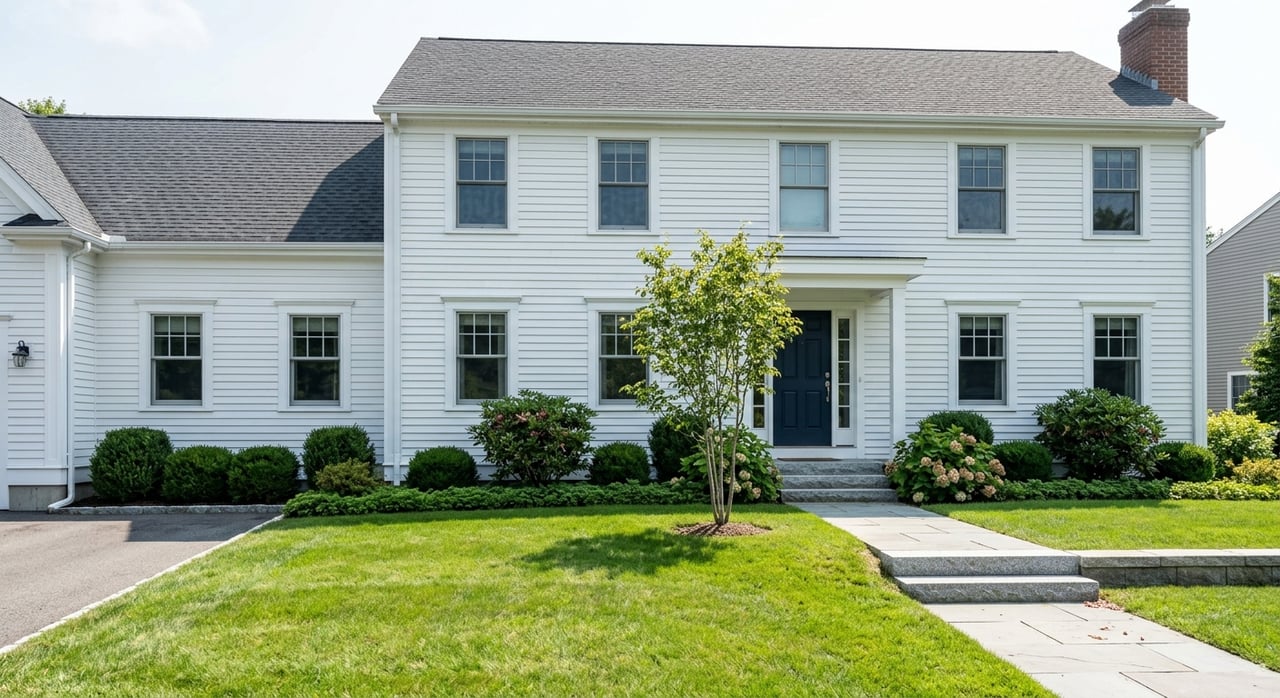
Newer homes in Newton often appeal to buyers who want a more turnkey experience. Based on Massachusetts building code updates and the area’s postwar development pattern, newer construction is more likely to align with current energy and building standards and may require fewer near-term upgrades to major systems or the building envelope.
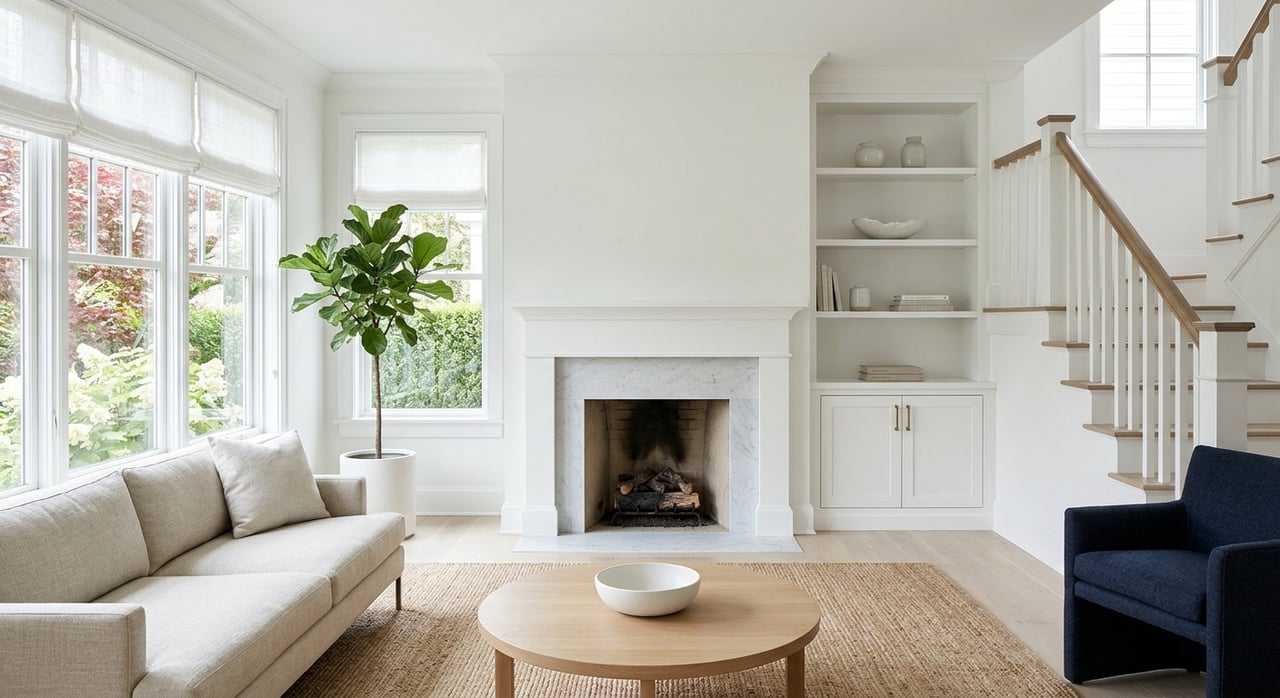
You may also notice a difference in layout. Newer homes often feel more open, with larger shared spaces and simpler flow between the kitchen, living, and dining areas. If your daily routine centers on flexible gathering space, that can be a meaningful advantage.
Efficiency can start stronger
Massachusetts updates its building energy code every three years to stay aligned with the latest International Energy Conservation Code. As a result, newer homes generally begin from a stronger efficiency baseline than homes built long before modern standards were in place.
That does not mean every new home performs the same way. Still, if lower maintenance and energy-conscious construction are high on your list, newer properties may give you a head start.
Near-term projects may be fewer
A newer home can reduce the chance that you will need immediate work on insulation, air sealing, roofing, windows, or core systems right after closing. For buyers who want predictability, that can make planning easier.
This can matter even more in a high-value market like Newton, where purchase price and post-closing costs both affect your comfort level. A home that needs less upfront work may leave more room in your budget for furnishings, landscaping, or future updates on your own timeline.
What older homes often offer
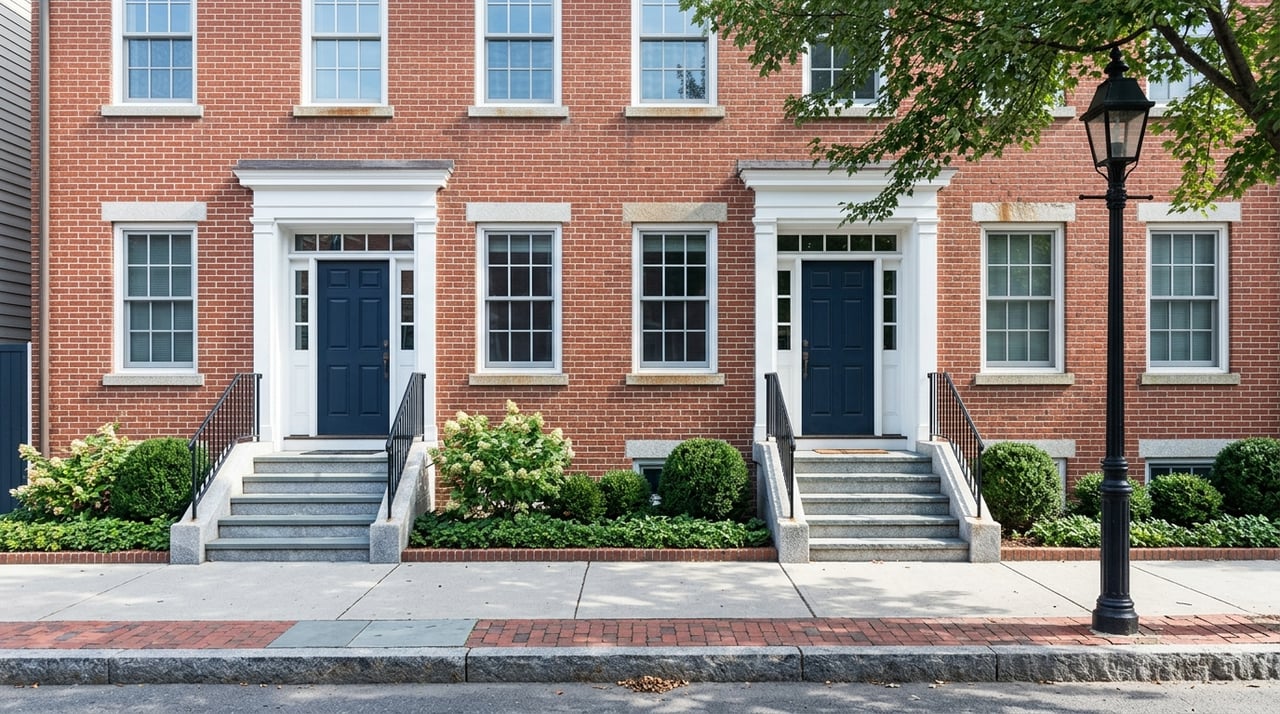
Older homes are a defining part of Newton’s character. With such a large pre-1940 housing stock, many buyers are drawn to details that are harder to find in newer construction, like original trim, distinct room layouts, and architectural features tied to the home’s era.
In practice, older homes often have more separate rooms and a different sense of flow than newer properties. That pattern is usually shaped by the time period when the house was built, along with how much it has been updated over the years.
Character can be a real advantage
If you value craftsmanship, room definition, or a home that feels visually distinct, an older property may be a better fit. In Newton, that can mean everything from period details to a layout that supports quieter separation between living spaces.
For some buyers, that character is worth taking on a few projects. The key is to separate cosmetic charm from functional condition so you understand what you are truly buying.
Flexibility may be hidden in the structure
Older homes can also offer renovation potential. Newton allows a single- or two-family home to add one accessory dwelling unit, regardless of zoning district, with internal options possible in spaces like basements or attics and detached options possible in structures such as carriage houses or converted garages, subject to size and other conditions.
That can make certain older properties especially adaptable over time. You may see possibilities for multigenerational living, rental income, or a future-use space, depending on the property and approvals.
The biggest trade-off: maintenance and systems
The biggest difference between newer and older homes is often not appearance. It is the condition of the systems and the building envelope, including insulation, air leakage, moisture control, and ventilation.
The U.S. Department of Energy recommends starting with a home energy assessment to identify inefficiencies and prioritize improvements. Mass Save also states that insulation and air sealing are among the most cost-effective ways to improve efficiency, reduce drafts, and lower heating and cooling costs by up to 15 percent.
Older does not mean problematic
An older Newton home is not automatically a problem property. Many have been carefully maintained and thoughtfully updated over time.
Still, older homes usually deserve closer review. You will want a clear understanding of how the house handles weather, how the systems work together, and what improvements may be needed in the near future.
Inspections matter for more than planning
A home inspection is different from an appraisal, and that distinction matters. The Consumer Financial Protection Bureau notes that major repairs can affect closing because lenders may require them to be completed or escrowed before funding.
In other words, condition issues are not just a maintenance question. They can also affect your financing timeline and your negotiation strategy.
Newton rules can shape your decision
In Newton, your decision is not only about the house itself. It is also about what you may want to change later and what approvals could be required.
This is especially important if you are comparing a move-in-ready newer home with an older home that may need work. The right choice depends partly on whether you want a finished product now or a property you can adapt over time.
Historic district review can affect exterior changes
Newton has four local historic districts: Auburndale, Chestnut Hill, Newton Upper Falls, and Newtonville. These districts do not cover the entire village area, but if a home is in one, exterior changes to a building or hardscape require an application.
According to the city’s historic preservation information, in-kind repairs and ordinary maintenance may qualify for administrative approval. Even so, if you are planning exterior changes, it is wise to confirm what review applies before you commit.
Demolition delay and permit history matter
Newton also has a demolition-delay ordinance, which can affect project timing on some properties. The city states that applications for historic-district review and other planning actions run through NewGov.
You should also ask whether prior additions, renovations, or system upgrades were completed with permits. Newton’s Fire Department says all building permit applications are reviewed and approved through the city’s NewGov process, so documented permit history is an important part of due diligence.
Questions to ask before you choose
No matter which direction you are leaning, a few practical questions can help you compare homes more clearly.
Questions for a newer home
- How new are the roof, windows, HVAC, and other major systems?
- Does the layout match how you actually live today?
- What level of efficiency features are already in place?
- Is the home truly turnkey, or will you still want to make meaningful changes?
Questions for an older home
- Is the home in a local historic district or otherwise subject to preservation review?
- Is there a documented permit history for additions, renovations, or system upgrades?
- What does a home energy assessment suggest about insulation, air leakage, moisture, and ventilation?
- Does the existing floor plan work for you, or are renovations likely after closing?
How to decide what fits you best
If you want easier maintenance, a more current layout, and a stronger efficiency starting point, a newer home may be the better match. That path can work well if you want to settle in quickly and limit near-term projects.
If you care most about architectural detail, room definition, or long-term adaptability, an older home may offer more of what you value. In Newton, many buyers find that the best choice is not about newer versus older in the abstract. It is about which property fits your lifestyle, budget, and comfort with future work.
A thoughtful local search can help you look past surface finishes and focus on what really matters: condition, layout, approvals, and long-term potential. If you want help weighing older versus newer homes in Newton, the team at Marika & Adam Real Estate Group can help you compare options with clear, local guidance.
FAQs
What should buyers compare between newer and older homes in Newton?
- Compare layout, condition, energy efficiency, likely maintenance, permit history, and whether future renovations may require city or historic review.
Are older homes common in Newton?
- Yes. Newton found that 52.8% of housing units were built before 1940, and more than 90% were built before 1990.
Do older Newton homes always cost more to maintain?
- Not always, but older homes usually deserve a closer look at insulation, air leakage, moisture, ventilation, and major systems so you understand likely future costs.
Can a Newton home add an ADU?
- Newton states that a single- or two-family home can add one ADU regardless of zoning district, subject to size and other conditions.
How can historic district rules affect a Newton home purchase?
- If a home is in one of Newton’s local historic districts, exterior changes to the building or hardscape require an application, which can affect renovation plans and timing.